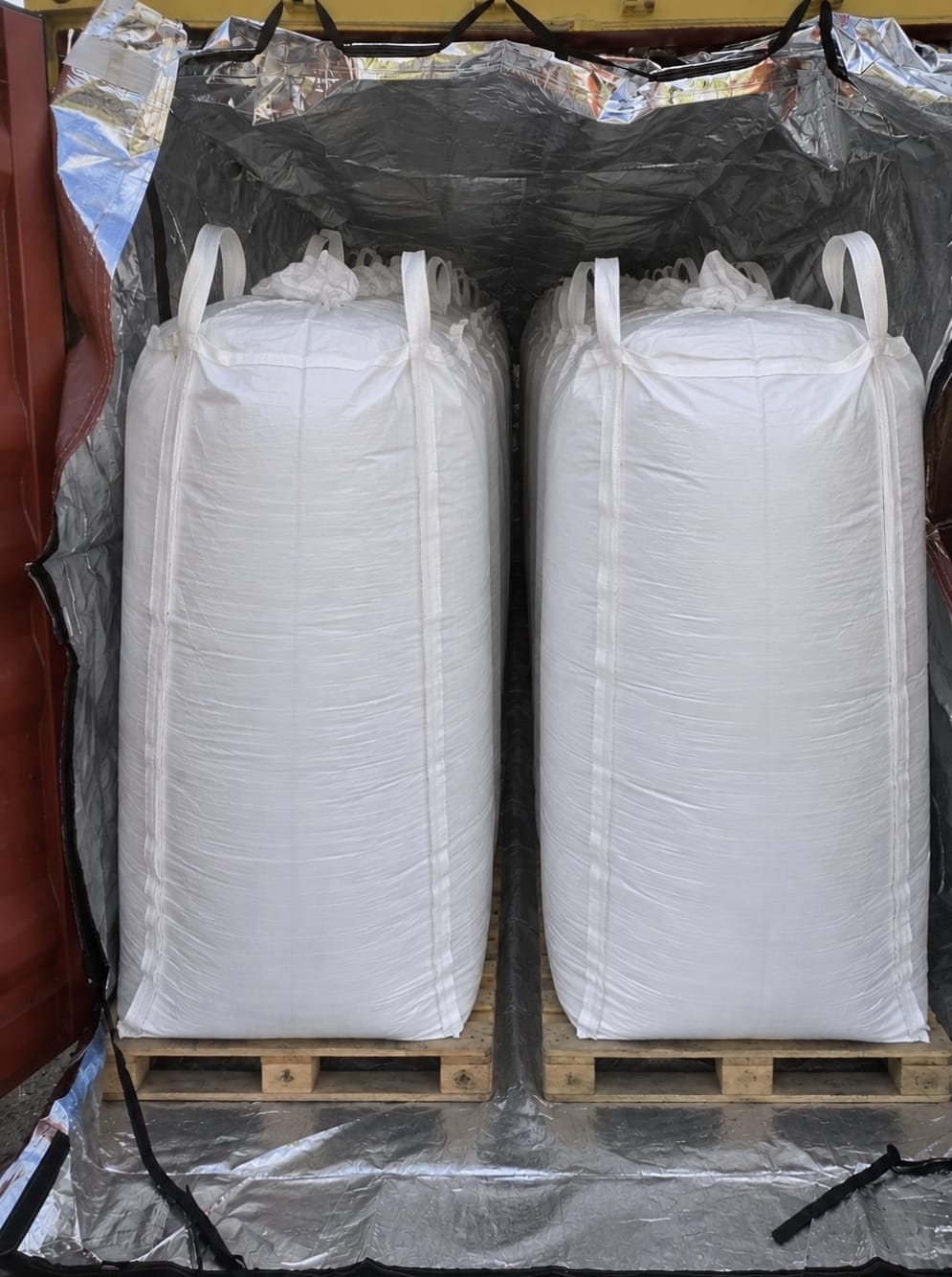

The lower-cost mode isn’t automatically the lower-risk choice. For a pharma sea-freight modal shift, temperature risk must be assessed against the medicine’s documented storage conditions, the expected voyage duration and the controls available in transit. Sea freight commonly involves longer end-to-end transit than air freight. Actual timelines depend on the origin, destination, sailing schedule, transhipments and inland transfers; assess each proposed lane against the product's shelf life and distribution needs.
Cost matters, but the decision also depends on whether the shipment can tolerate a longer journey and how temperature exposure will be managed at sea and around ports. Pharmaceutical shipments need documented product requirements and appropriate shipper qualification. A passive thermal liner moderates heat transfer but does not actively control temperature or guarantee a specified cargo temperature.
This article explains how to compare air and sea freight, weigh potential transport savings against route and temperature risks, and assess where active reefer control or passive insulation may fit. It also covers practical factors that affect cargo suitability, including transit duration, seasonal conditions, port exposure and the controls needed to protect product integrity.
Key Takeaways
• Compare air and sea freight against the medicine’s documented storage conditions, shelf life and planned transit time.
• Assess port exposure, route conditions and delay risks alongside the quoted freight cost.
• Understand how active reefer control differs from passive insulation when evaluating temperature-management options.
• Use documented requirements and qualified transport processes to decide whether a sea-freight shift is suitable for the shipment.
Cold-chain infrastructure and supplier qualification
Pharmaceutical sea freight depends on coordinated storage, handling and transport controls across each supply-chain handover. The medicine’s documented conditions provide the starting point for assessing the cold chain.
Pharmaceutical cold-chain temperature ranges
Cold-chain temperature ranges are the product-specific storage conditions that a shipment must follow. Some pharmaceutical products are identified with a 2-8 °C cold-chain range, but this is not a universal shipping requirement. Use the medicine’s documented conditions, including any permitted temperature variation, to assess the proposed route. This distinction matters because a range suitable for one product cannot establish suitability for another. A qualified shipper should match the product requirements to the planned transport system and handling process.
Pharmaceutical supply-chain infrastructure
Pharmaceutical supply-chain infrastructure comprises qualified storage, transport equipment, handling procedures and records linking each transfer. The European Commission's Good Distribution Practice guidelines for medicinal products for human use (2013/C 343/01) address distribution quality systems and transport responsibilities. This framework makes documented transport processes and risk assessment relevant to pharmaceutical logistics. For a sea route, assess the refrigerated equipment, port interfaces and onward storage as one connected system. Supplier qualification should cover the roles and controls used at each handover.
Chain of custody depends on traceable shipment records. Match consignment identifiers to dispatch, receipt and temperature-monitoring records so the shipment’s movement can be reconstructed. Record each transfer between the manufacturer, carrier, terminal and receiving location. This makes it easier to identify where a gap occurred if records or readings differ.
Cargo handling and cold-chain exposure
Cold-chain exposure can occur when pharmaceutical cargo leaves controlled storage during loading, inspection or transfer. At a port, moving cargo between a refrigerated unit and terminal handling can create an exposure point, even when the sea leg uses active temperature control. Map planned handovers and identify where cargo might leave its intended conditions. Clear handling instructions and prompt movement between stages help limit avoidable exposure.
Use shipment-specific monitoring records to review conditions throughout transit and at handover. Position and load cargo according to the qualified transport plan, and follow inspection procedures that preserve cargo security and traceability. These controls help the responsible pharmaceutical business assess whether the planned logistics chain meets the product’s documented requirements.
Temperature monitoring and refrigerated containers
A suitably powered refrigerated container, including one using generator sets, provides active temperature control. Its control system manages the set point, while monitoring records show conditions during the journey. For pharmaceutical cargo, use the medicine’s documented requirements to define acceptable readings and escalation procedures. A container set point alone cannot show whether every part of the shipment experienced the same conditions.
Temperature-controlled packaging can add another layer of protection, but its role depends on the shipment plan. Passive packaging offers temporary protection; it does not actively cool, heat or maintain a fixed set point. Select packaging and monitoring together, taking account of the documented product conditions, route and expected transit duration. This distinction matters when deciding whether a packaging system can support the planned movement or active refrigeration is needed.
Data loggers record temperature over time, creating a shipment history for review after arrival. Place monitoring devices according to the qualified shipping plan, and ensure the records can be matched to the consignment and handover times. A single reading at dispatch or receipt cannot show what happened in between. Review any excursion against the medicine’s documented requirements and the agreed response process.
IoT temperature telemetry combines sensor readings with communications that can report conditions during transit. When available, GPS tracking can add location context, helping teams identify a shipment approaching a port or delayed in transit. These tools support real-time monitoring, but they do not replace documented procedures or clear responsibility for acting on an alert. Monitoring arrangements vary by carrier, vessel and equipment. Confirm how alarms are detected, who responds, what records are available and how exceptions are escalated.
Confirm how the reefer will receive power throughout the planned journey, including relevant port stages, and establish who reviews alerts and records actions. Bring temperature data, container movements and custody records together in one reviewable shipment history. This gives pharmaceutical logistics teams a clearer basis for evaluating temperature control across a global supply chain.
Transit delays, diversions, and temperature risks
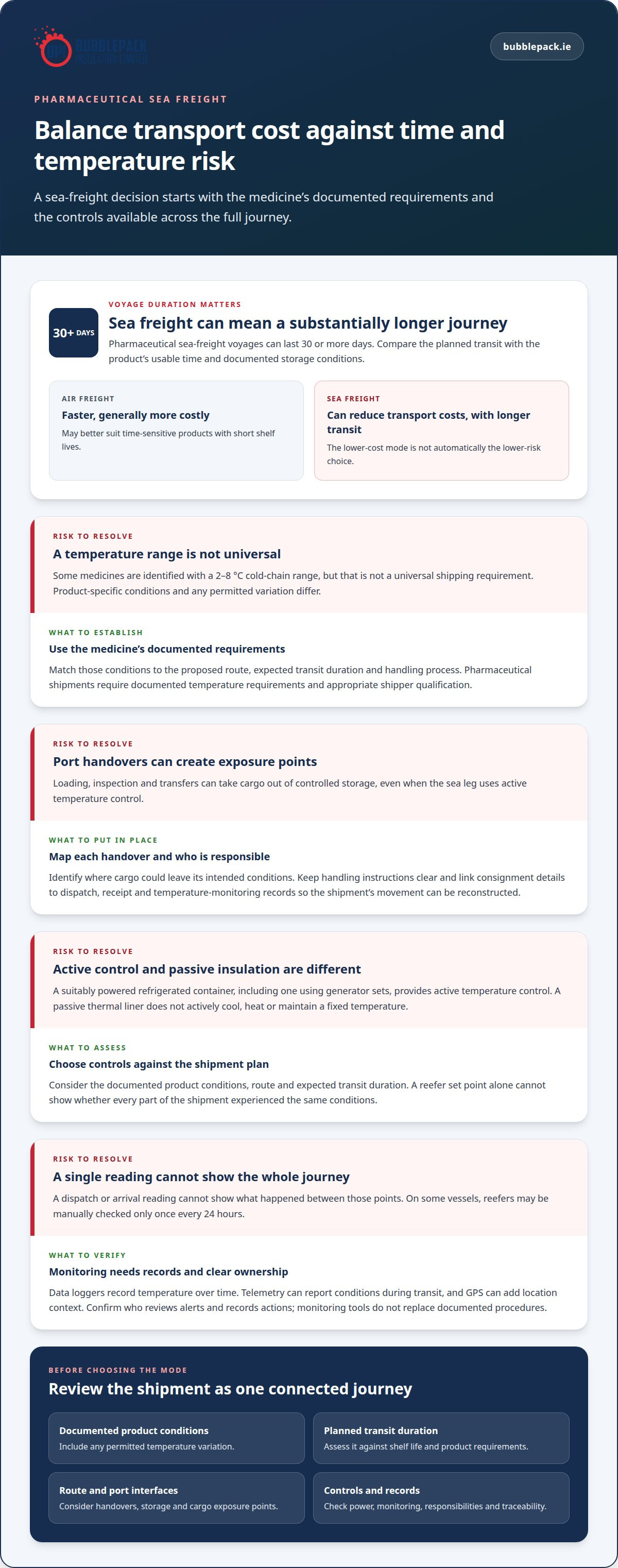
Air freight is faster and generally more costly than sea freight; sea freight can reduce transport costs but extends transit. Compare the actual door-to-door schedule, including port dwell and possible delays, against the medicine's documented conditions, remaining shelf life and replenishment requirements.
Temperature risks at hand-off points
A hand-off point is any transfer where responsibility or custody changes, such as between a shipper, terminal and carrier. These stages matter because cargo may leave controlled storage while teams complete loading, inspections or transfer records. For each shipment, map hand-offs and identify who maintains the required conditions. Clear handling instructions help preserve product integrity and traceability at every transition.
Air transport has its own interfaces, including warehouse, apron and aircraft movements. During a transfer, exposure to ambient conditions may differ from conditions inside a controlled facility. Coordinate the transfer plan with the product’s documented requirements, and retain records linking each custody change to the shipment.
Transit delays and diversions
A delay extends the time a shipment remains in transit; a diversion changes its planned route or handling sequence. Either can affect temperature risk by prolonging exposure at a port, terminal or other transfer point. For sea freight, assess the planned voyage and the possibility of route changes or additional port handling. The longer schedule also makes arrival timing relevant to the medicine’s documented requirements.
Set out how teams will respond to a delayed or diverted shipment, including who reviews monitoring records and communicates changes. Clear escalation procedures help responsible teams assess readings against product requirements, rather than treating every delay as equivalent. A changed itinerary should prompt a review of transit time, hand-offs and available transport conditions along the revised route.
Air transport and transfer risks
Air freight can suit time-sensitive medicines because it shortens transit, but speed does not remove handling risks. Cargo may pass through warehouses, apron areas and aircraft loading before reaching its destination. Each transfer introduces a point where procedures, timing or environmental exposure could affect the shipment. Assess the complete journey, not just the flight.
Compare the quoted transport cost with the value of faster delivery and the controls required for the chosen mode. For air and ocean shipments alike, match packaging, monitoring and handling plans to the product’s documented conditions. If a shipment is diverted or delayed, use its records and custody history to assess the effect on integrity and determine the appropriate response.
Sea freight cost and temperature-control conditions
Assess the commercial case for a pharma sea-freight modal shift alongside temperature risk, rather than comparing headline freight charges alone. Compare the full cost of delivering and releasing the shipment, including the effects of transport arrangements on inventory planning and the resources needed to manage the consignment.
Compare quotes with equivalent scopes. Separate origin handling, main carriage, terminal charges, temperature-control equipment, monitoring, destination handling and onward delivery. Check which items each quote includes and which are billed separately. This makes differences between proposals clear and reduces the risk of mistaking an excluded charge for a saving.
Then compare the total cost with the quantity of product expected to be released for distribution. A lower transport charge may not mean a lower overall cost if the shipment needs additional handling or delays stock availability. Including the inventory tied up in transit gives procurement and finance teams a broader basis for evaluating the option.
Shipment planning also affects the economics. Consider whether production and order schedules support a consolidated consignment or require smaller, more frequent dispatches. Record the assumptions behind the comparison, including expected handling stages and budgeted temperature-control arrangements. This makes later cost reviews more useful when the actual transport plan differs from the estimate.
Keep the commercial assessment aligned with the pharmaceutical business’s documented transport process. Cost calculations should reflect the controls and responsibilities required for that distribution plan, rather than assuming every product or shipment has the same requirements. The key is a like-for-like comparison: align quote scope, shipment quantity, stock availability and control costs before deciding whether sea freight supports the business case.
BubblePack Insulation: BPI ROLL LINER
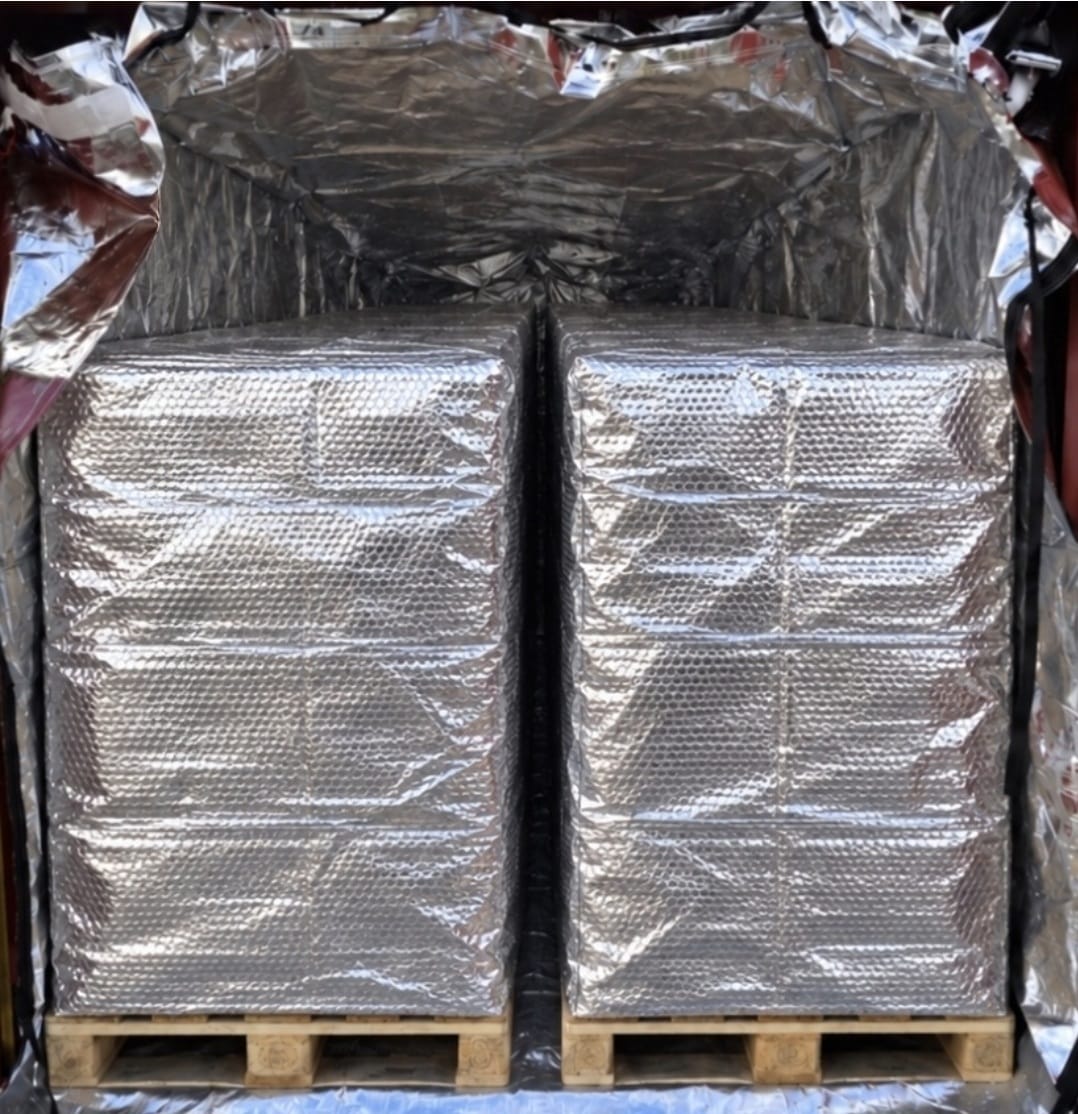
BPI ROLL LINER provides passive thermal insulation for suitable container shipments when supported by the cargo assessment. Its three-layer reflective foil/bubble/foil construction is supplied and installed by BubblePack across Ireland. It does not actively control temperature, and it cannot substitute for a qualified temperature-controlled system where active control is required.
For pharmaceutical cargo, start with the documented product conditions and appropriate shipper qualification. Assess the route, season, loading conditions and transit duration before selecting a liner. Suitability depends on the shipment's full risk assessment. Container coverage depends on the selected liner configuration, including whether floor protection is included.
Where passive insulation forms part of the qualified transport plan, BPI ROLL LINER can help address thermal exposure during container transport. It does not replace pharmaceutical handling procedures, monitoring or documented distribution controls. For a shipment-specific discussion of container insulation and cargo protection, contact BubblePack Insulation Ltd.
Make the next shipment decision with a clear plan
Turn the comparison into a shipment decision record that procurement, quality and logistics teams can use together. For temperature risk in a pharma sea-freight modal shift, record the commercial assumptions, responsible decision-makers and conditions that would prompt a review. This gives future teams a clear reference when shipment plans or business priorities change.
Set a review point after delivery to compare the planned arrangements with the shipment record and actual distribution needs. Capture lessons about quote scope, stock planning and coordination between teams. A consistent review process helps refine future decisions without treating one consignment as a template for every medicine or route.
Where container insulation forms part of your export planning, discuss the application with BubblePack Insulation. Contact BubblePack Insulation to explore a suitable next step for your shipment. A clear plan supports sound decisions and confident coordination.
Frequently Asked Questions
Airfreight or sea freight?
Choose the mode for each product and route rather than applying one rule across the portfolio. Review demand variability, production schedules and the consequences of delayed replenishment for each medicine. A company might plan routine orders differently from exceptional urgent orders while applying consistent decision criteria. This helps procurement align transport choices with stock policy and service priorities.
How does packaging and monitoring strategy change depending on the temperature range?
Use the documented product conditions and approved transport plan when determining monitoring limits, alert procedures and packaging suitability. Consider where to place a logger so its readings represent the cargo exposure of concern, rather than relying on a convenient but unrepresentative location. The shipment plan should also specify who receives an alert, who assesses its significance and how that assessment is recorded.
How is pharmaceutical cold-chain transport managed?
Responsibility depends on the roles assigned from dispatch through receipt and product disposition. The manufacturer’s quality team can define which records accompany the consignment, while receiving staff follow a documented acceptance process. This may include recording the condition on receipt and referring discrepancies for quality review before stock enters usable inventory. Clear ownership helps prevent gaps between transport completion and the decision to release product.
How is the chain of custody of temperature-sensitive pharmaceuticals verified from one hub to another?
Alongside shipment records, teams can reconcile container or package seal identifiers at dispatch and receipt. The receiving hub records whether the seal matches and documents any visible discrepancy before onward handling. Signed handover acknowledgements can show which party accepted custody at each transfer. Together, these checks add physical-security evidence to temperature and movement records.
Why consider shifting pharmaceutical freight from air to sea?
Companies can consider a shift as part of broader procurement and distribution planning, rather than changing every consignment. Reviewing demand patterns by product and lane can identify where planned ordering may support a different transport arrangement. Defined exceptions for unusual demand or supply disruption also help ensure a portfolio-wide policy is not applied to every shipment.
What does modal shift from air freight to sea freight mean for pharmaceutical products?
A pharma sea-freight modal shift means changing the planned transport mode for eligible pharmaceutical consignments, with corresponding updates to internal planning and supplier coordination. Teams may need to align purchasing cycles, order cut-off dates and receiving schedules with the revised lane plan. Treat it as a distribution-design change: define the products and routes it covers, who approves exceptions and how the arrangement will be reviewed.